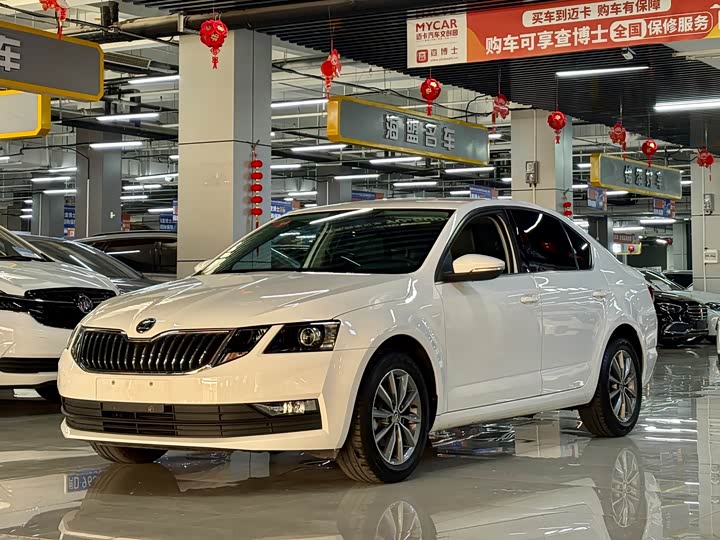
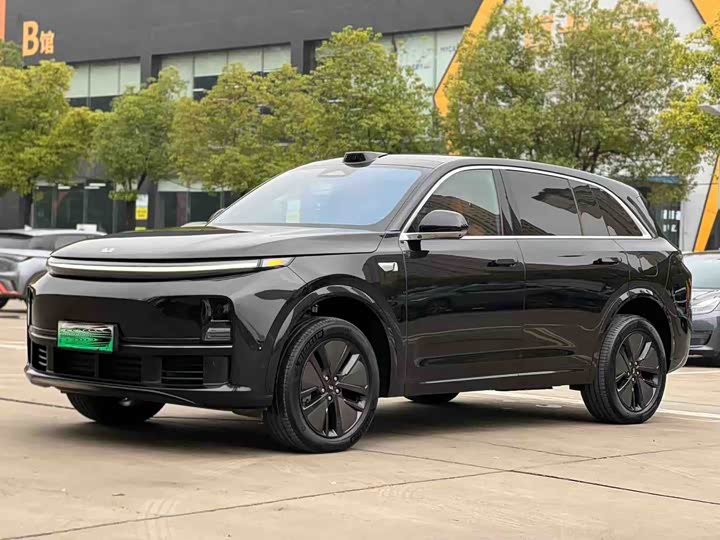
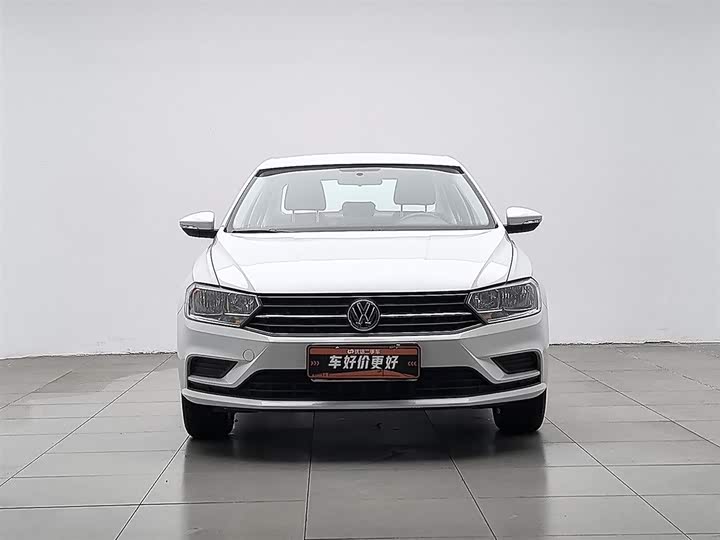
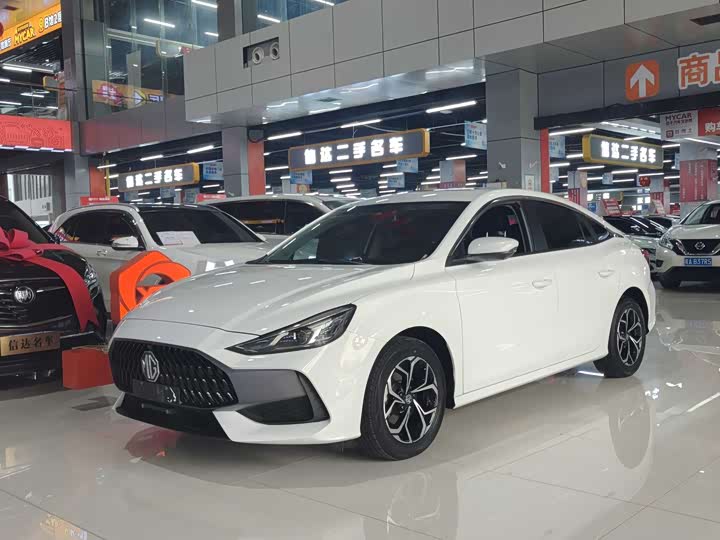
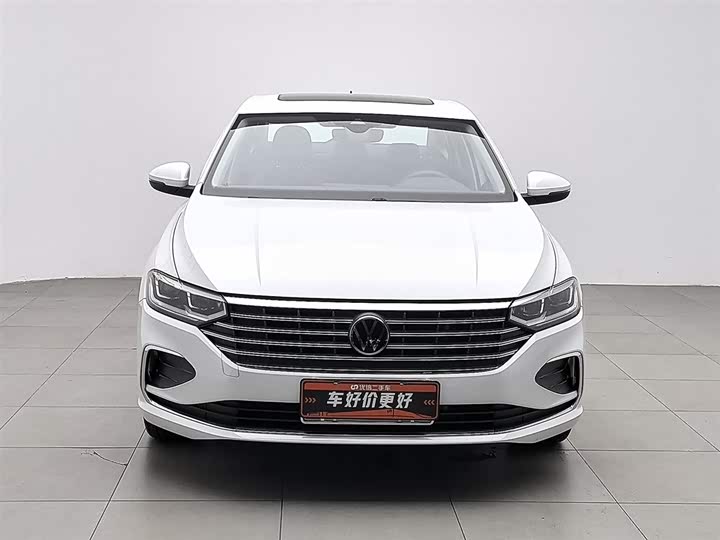
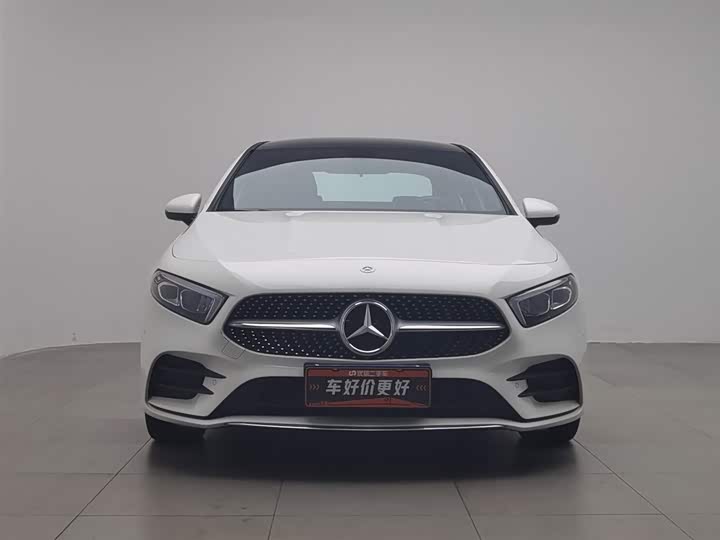
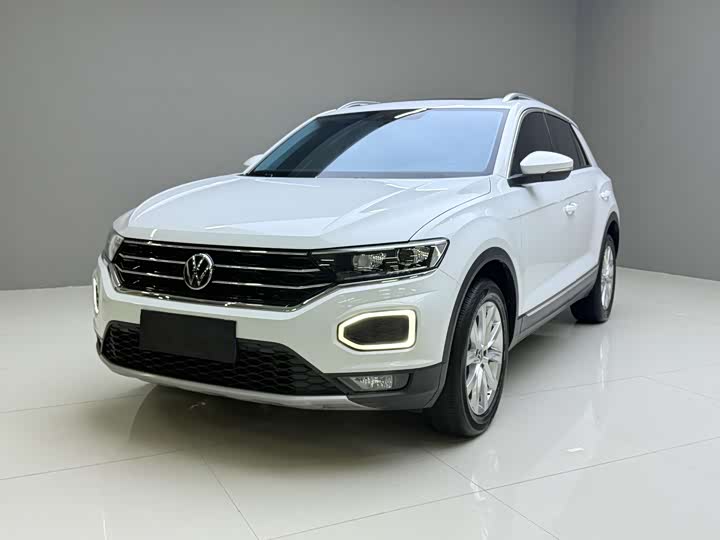
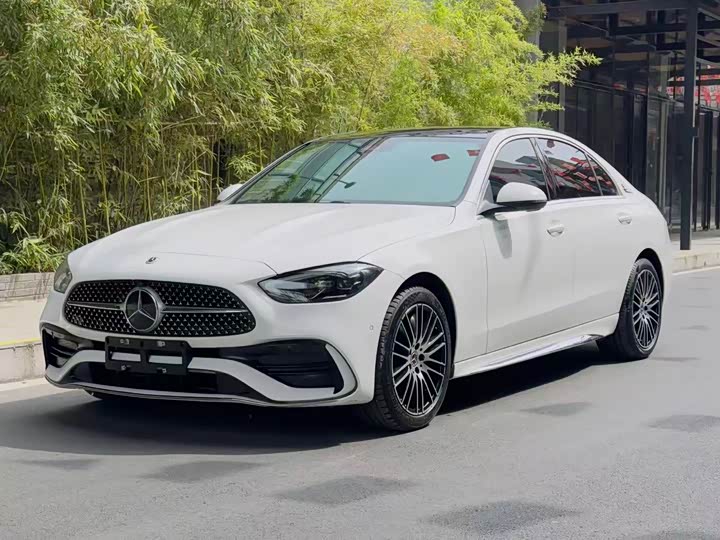
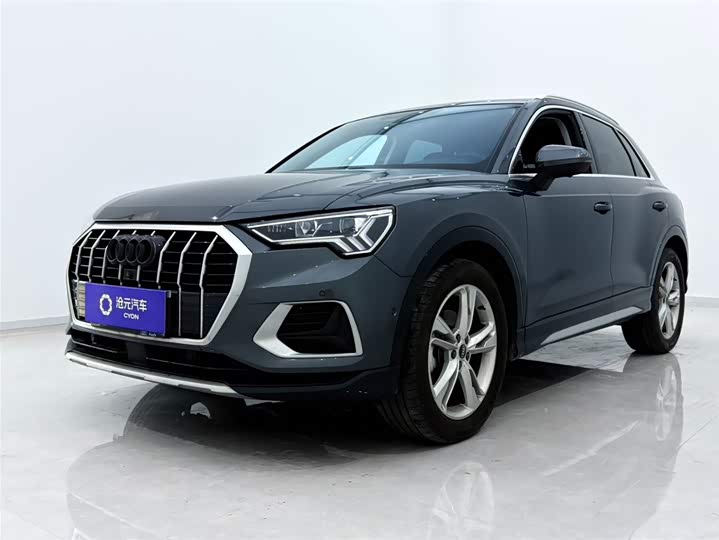
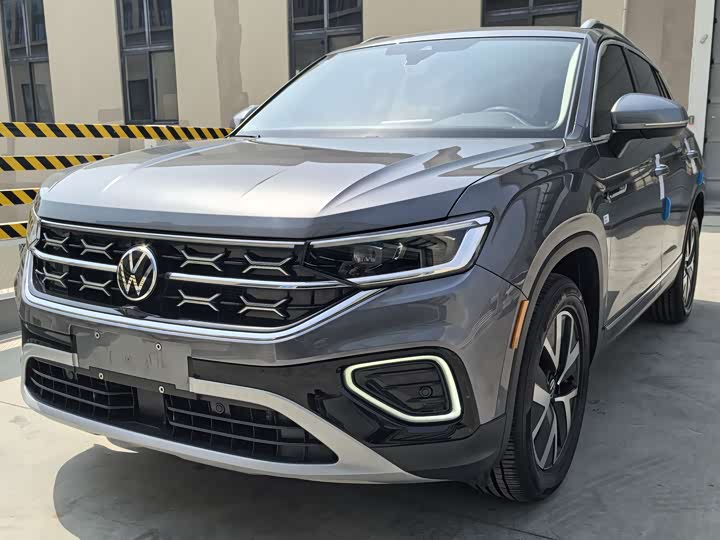
“"Right now, the supply of cars in Suifenhe City simply can't keep up with the orders. We can sell as many as 1,000 cars as we have. The market demand is just too high," said Ge Jinqiu, general manager of overseas business at Dr. Cha. Due to the overwhelming demand, even Russian internet celebrities have come to Suifenhe to take pictures of cars. They can be seen in the parking lot almost every day.
Since China launched its pilot program for used car exports in 2019, used car exports have seen explosive growth. Data from the China Automobile Dealers Association shows that in 2024, China's total used car exports exceeded 436,000 units, a year-on-year increase of 46.51%, covering more than 160 countries and regions in Southeast Asia, the Middle East, Europe, and Latin America.
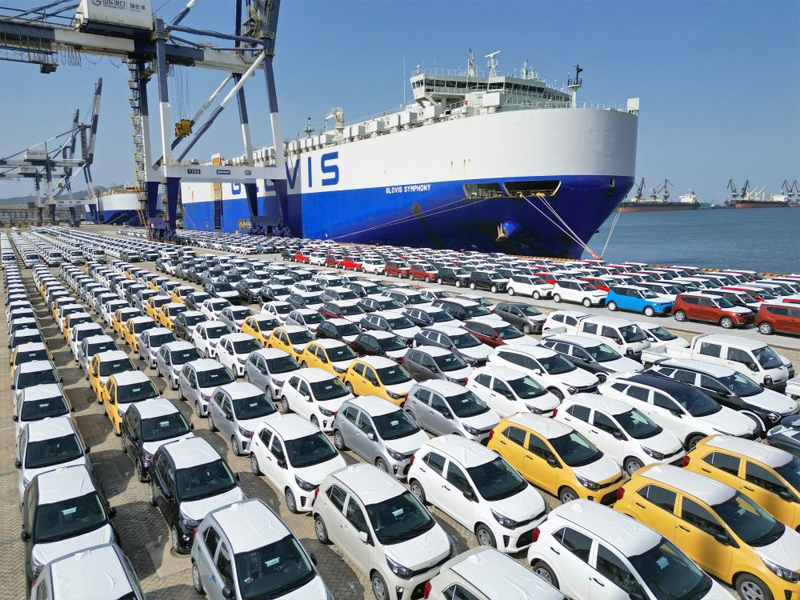
Luo Lei, vice president of the China Automobile Dealers Association, said that China's used car exports are currently in a golden period of combined policy dividends and market boom. The car ownership of more than 400 million vehicles, the mature supply chain system, and the selection of high-quality and cost-effective models provide a solid foundation for China's used car exports.
However, behind the turbulent flow lie hidden reefs: the source of vehicles is highly fragmented, making it difficult for overseas buyers to place orders for "the same model of car in a container"; each used car has its own unique condition, resulting in high costs for inspection, certification, and communication; and after-sales service is lacking, with several Chinese diplomatic missions abroad receiving complaints about Chinese used cars since last year.
How can China's used car exports shift from unregulated growth to meticulous development? The industry is attempting to break through this impasse through standardization, scaling, and regulation.
At the 2025 China Used Car Export Ecosystem Conference held recently, the China Automobile Dealers Association and CAR Inc. jointly established the "Used Car Agency Vehicle Source Export Working Group". The plan is to gather and integrate vehicle sources from multiple parties to achieve unified standards and transparent vehicle conditions, and simultaneously export parts and after-sales systems, forming a three-in-one ecological closed loop of "vehicle sales - parts supply - service guarantee". This will upgrade China's used car industry from "fighting alone" to "going global together", pushing the "export boom" deeper and further.
“"China's used car exports are currently in a golden period of combined policy dividends and market boom," Luo Lei stated bluntly. With the continued in-depth development of China's automotive industry, the supply of used cars is being generated in unprecedented quantities and at an unprecedented pace.
The large-scale retirement of operating vehicles by leasing companies, the iterative upgrades of compliant ride-hailing vehicles by ride-hailing platforms, the buyback of mortgaged vehicles by financial institutions, the systematic release of vehicles through court auctions, and the concentrated withdrawal of test drive vehicles from OEMs are all continuously flowing into the market, forming a sustainable and deeply exploitable source of used cars. Coupled with the national "trade-in" policy in the past two years, a large influx of replacement vehicles has made the used car market exceptionally active.
At the same time, the economies of countries participating in the Belt and Road Initiative and other emerging markets continue to heat up, leading to a surge in demand for automobiles.
Xu Changming, a senior economist at the State Information Center, stated that automobile ownership follows an "S-curve" pattern, with the fastest growth occurring in the per capita GDP range of $1,000 to $10,000. Currently, many emerging markets, such as Nigeria, Pakistan, Indonesia, Bangladesh, and Ethiopia, are at the forefront of this range, and their automobile ownership rates will increase rapidly with economic growth. Taking ASEAN as an example, its per capita GDP is approximately $5,730, its population is 690 million, and its annual automobile sales are only about 3 million vehicles, indicating huge growth potential.
“"After excluding right-hand drive countries, countries with fluctuating used car policies, and car-exporting countries like the US, Europe, Japan, and South Korea, China's core target market for used car exports is 117 emerging left-hand drive countries," said Li Jia, Vice President of CAR Inc. These countries are mostly located in Southeast Asia, West Asia, the Middle East, Eastern Europe, Africa, and Latin America. From 2021 to 2024, the annual growth rate of used car imports in these countries was 61 million tons per 300,000 tons, higher than the growth rate of domestic used car sales. In Central and North Asia, China has already captured about half of the imported used cars.
Many attendees believed that compared to other international trade sectors, the export of Chinese used cars is still in a relatively lucrative blue ocean market. Currently, the gross profit margin for Chinese used car exports is generally around 151% per 300 tons, with some sophisticated companies even reaching over 201% per 300 tons.
Li Jia, Vice President of CAR Inc., gave a calculation on the spot: The average price of a used car in China is 106,000 yuan at the country of origin, with domestic brands accounting for a quarter of the sources, and new energy vehicles accounting for as much as two-thirds of them, naturally possessing the labels of high cost performance and green environmental protection.Based on the reputation for new energy vehicles that has been gradually established overseas, he predicts that China's used car market share is expected to increase from less than 81 million units to 501 million units within ten years, with an annual export volume of 5 million units.
As China's largest car rental company, CAR Inc. has already taken the lead in the used car export sector. At the meeting, it released its performance report for the first time: Since last year, the company has established 29 used car central warehouses and 5 port forward warehouses in China, and set up 6 overseas direct sales offices, covering more than 30 countries in the Middle East, Central Asia, North Africa, West Africa, and Latin America with 4,000 vehicles available for sale in real time.
Although the future looks bright, the challenges of exporting used cars are far more complex than those of exporting new cars.
The first hurdle is "finding a car".China's used car supply is scattered among individual car owners and small car dealers, making large-scale centralized procurement difficult.
“Overseas buyers often order from a single container and require ‘the same cars,’ while the domestic used car market is fragmented and it’s difficult to meet their demand,” said Ge Jinqiu. Li Jia also admitted that even though CAR Inc. has 4,000 used cars available for sale every day, it is still difficult to match the models with overseas orders.
The second hurdle is "inspecting the car." Inconsistent quality and lack of transparency in vehicle condition have become the second major obstacle to China's used car exports.
“When we buy cars in China, we are very worried about the condition of the vehicles, let alone foreign customers,” said Ge Jinqiu. Currently, foreign buyers have already carried out “pre-inspection” in China: 4S store maintenance records, full video of paint thickness measurement, number of spare keys, etc. “One vehicle, one condition” brings high inspection, certification and communication costs.
Even more challenging is the lack of after-sales service.
Cheng Bei, founder of Wango (Shanghai) Automotive Technology Co., Ltd., used the "lessons learned from the motorcycle industry" to remind the industry: At the beginning of this century, Chinese motorcycles captured 80% of the Southeast Asian market share with low prices, but due to failures in quality, parts, and after-sales service, they ultimately "handed the market back" to Japanese brands. Now, the same trend is reappearing in the export of used motorcycles.
“Two years ago, used car dealers only cared about quick sales and didn’t care about after-sales service. Since 2024, several Chinese diplomatic missions abroad have received complaints from local consumers saying that there is no way to complain about used cars in China and after-sales service is difficult, with ‘warranty” becoming a mere verbal promise,” Cheng Bei said, adding that the alarm bells have already been rung.
Liao Zhiyong, vice president of the Used Car Export Branch of the China Automobile Dealers Association, said that in the future, the industry must shift from "selling cars" to "selling services," weaving vehicle sources, hardware and software, and after-sales service into a chain, and developing in the direction of standardization, large scale, and regulation.
Many attendees also believed that only by integrating the scattered resources of vehicle sources, technology, and channels into a "network" and shifting China's used car exports from "fighting alone" to "going global together" can the core competitiveness of China's used car exports be truly enhanced.
To address this, the "Used Car Agency Vehicle Source Export Working Group" was established. Luo Lei stated that the purpose of establishing the working group is to promote the construction of a vehicle source procurement platform, coordinate the export of parts, link high-quality domestic repair companies to go global, and strengthen the technological empowerment of overseas partners, forming a three-in-one ecological closed loop of "vehicle sales - parts supply - service guarantee," and comprehensively enhancing the credibility of Chinese used car brands overseas.
It is understood that the working group will focus on four key areas: first, establishing vehicle sourcing standards to promote "high-quality, low-priced, and high-quality exports"; second, promoting product standardization and convenient transactions, with the core advantage of providing bulk vehicle sources that are "of the same type, model, registration year, condition level, and mileage range"; third, adhering to transparent vehicle conditions and integrity; and fourth, jointly building a comprehensive overseas service system to ensure the long-term sustainable development of export business. It is estimated that once the platform is completed, it will be able to provide up to 50,000 export vehicles in real time.
Li Yongfeng, General Manager of GAC Group's Government and Enterprise Customer Center, believes that unified standards and transparent pricing are the "passport" for Chinese used cars in the global market. Coupled with joint overseas repair centers, this can effectively eliminate consumers' "worries".
“"Reliable vehicle sources are the cornerstone of the ecosystem, and transparent information is the bridge of trust. Only by connecting every link from production to use, circulation, and export can Chinese used cars go far and stand firm in the global market," said Gao Dewu, CEO of CAR Inc. He added that the company has already taken the lead in building a full-chain capability of "high-standard pre-sale preparation + global logistics during the sale + localized after-sales support." The company will also build an efficient and reliable cross-border service system around vehicle inspection, maintenance, cross-border transportation, and overseas warranty.